

The Sudden Flare: Understanding Gout and How to Prevent Painful Joint Attacks
Waking up with sudden, severe joint pain? Learn how we treat gout at Metropolitan Medical Group in Bowie, MD, and discover the truth behind common gout myths.
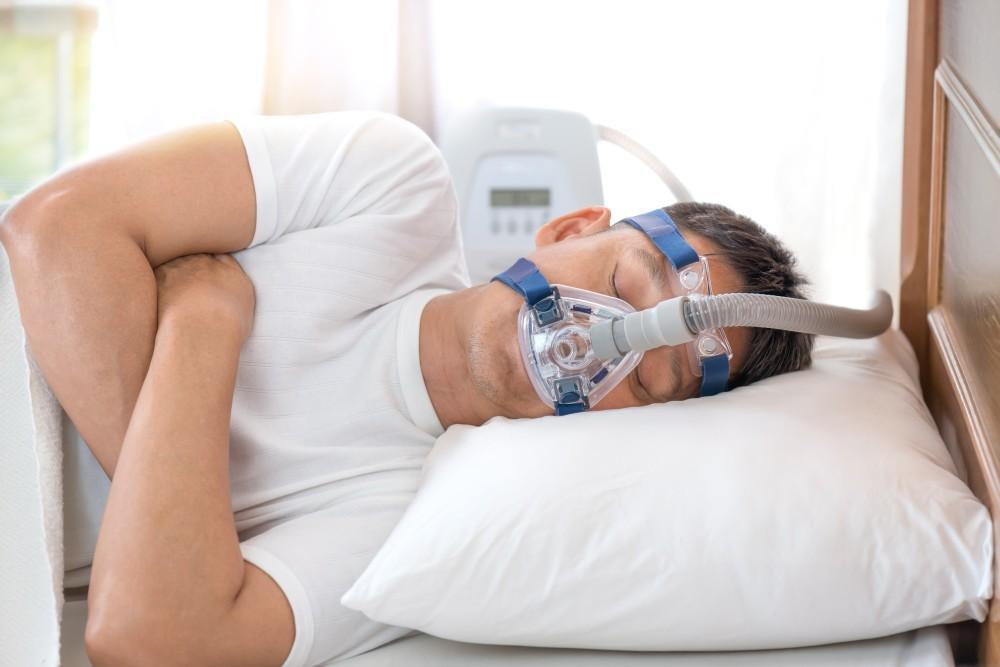
Do you drag yourself out of bed every morning feeling like you barely slept? You might think you just need more coffee or a better mattress. However, chronic fatigue is often a warning sign of a deeper issue.
At Metropolitan Medical Group in Bowie, Maryland, Dr. Kimberly Bolling helps adults uncover the root causes of their exhaustion. One common culprit we manage is sleep apnea. This is a serious condition where your breathing repeatedly stops during the night.
Many people believe sleep apnea only affects those who snore loudly, but many signs are completely silent. Here are five silent signs you should never ignore.
You might wake up feeling completely drained, yet you don’t feel the urge to nap during the day. This happens because your brain constantly wakes you up to resume breathing, which ruins your deep sleep.
In a 2024 systematic review and meta-analysis in sleep medicine of 42,924 adults with sleep apnea, 39.9% reported excessive daytime sleepiness. This means the majority of people with this condition don’t have the classic urge to sleep during the day.
At our Bowie, MD office, we look beyond simple daytime sleepiness to evaluate your overall sleep quality. Under guidelines from the American Academy of Sleep Medicine, we can often evaluate uncomplicated cases using a convenient home sleep apnea test.
Struggling to stay asleep is another major silent sign. Instead of gasping for air, you might simply wake up multiple times throughout the night.
According to a systematic clinical review in the Journal of Clinical Medicine, women and postmenopausal individuals frequently experience insomnia rather than loud snoring. This occurs because changing hormone levels make the airway more prone to subtle collapses.
We design personalized diagnostic plans to help you find out why you can’t stay asleep.
Waking up with a dull, throbbing headache is a common but overlooked sign of sleep-disordered breathing. These headaches are often caused by the nightly buildup of carbon dioxide and sudden blood pressure spikes.
When your airway collapses, your body experiences a drop in oxygen and a surge of stress hormones.
Dr. Bolling evaluates these morning symptoms during your comprehensive health assessment to rule out airway issues
Chronic sleep deprivation directly impacts your brain chemistry. If you feel unusually anxious, irritable, or depressed, your airway might be the cause.
The Journal of Clinical Medicine also notes that atypical symptoms like mood disturbances often lead to diagnostic delays, especially in women. Patients are often treated for depression when the real issue is a lack of oxygen at night.
We take a holistic approach to mental and physical health, ensuring we treat the actual cause of your mood changes
Sleep apnea doesn’t just steal your energy; it puts immense stress on your cardiovascular system. Every airway collapse triggers a stress response that damages your blood vessels over time.
A 2025 systematic review and meta-analysis in sleep of 25,000 adults associated untreated severe sleep apnea with a 2.45-fold higher risk of cardiovascular events.
Because Dr. Bolling specializes in internal medicine, we focus on managing sleep apnea to protect your heart. We also offer weight loss management to help address underlying physical factors that contribute to airway blockages.
If you experience any of these silent signs, getting an accurate diagnosis is the first step toward reclaiming your energy.
We offer professional guidance and coordinate testing to get you the answers you need. These home tests allow you to sleep comfortably in your own bed while we gather the data needed to design your treatment plan.
To start sleeping better and protecting your health, schedule a visit with our team at Metropolitan Medical Group today.


